
In the bustling commercial hub of the United Arab Emirates, the digital landscape is as competitive as the physical skyline. For a business to succeed in this environment, a website must be more than just a collection of pretty images and contact details. It must be a strategic asset that captures attention, builds trust, and converts visitors into loyal customers. This involves a rigorous planning phase before a single pixel is placed on the screen. A professional Dubai Website Designer approaches every project with a deep understanding of the unique market dynamics, ensuring that the final product is not only visually stunning but also functionally superior.
Designing for the Dubai market requires a specific set of considerations that differ significantly from other regions. The city is a melting pot of cultures, languages, and technologies. Consequently, the design process involves a careful analysis of the target audience, user behavior, and regional digital standards. By addressing these factors early in the process, a designer ensures that the website serves as a bridge between the business and its diverse clientele.
Navigating the Multicultural Audience Landscape
The first and perhaps most significant consideration for any Dubai Website Designer is the incredible diversity of the local population. Dubai is a global city, home to expatriates from every corner of the world, alongside the local Emirati population. This creates a unique challenge: how to design a user interface that feels welcoming and intuitive to people with vastly different cultural backgrounds and design expectations.
To address this, designers prioritize visual neutrality and clarity. A design that relies heavily on cultural symbols or metaphors specific to one region might confuse or alienate users from another. Therefore, the designer focuses on universal design principles. This involves using clear iconography that transcends language barriers, choosing color palettes that are generally perceived as professional and trustworthy across cultures, and structuring layouts that follow standard web conventions.
Furthermore, the imagery used on the website plays a crucial role. A skilled designer carefully selects photographs and graphics that reflect the diversity of the audience. Representation matters, and when users see images that look like the diverse reality of Dubai, they are more likely to feel a connection with the brand. The goal is to create a digital environment where every visitor, regardless of their origin, feels that the website was made for them.
Mastering the Complexity of Bilingual Design
In many Western markets, a website is typically designed for one language, usually English. However, in the UAE, bilingualism is a standard business requirement. A Dubai Website Designer must plan for a seamless integration of both English and Arabic from the very beginning of the project. This goes far beyond simply adding a “translate” button; it fundamentally alters the structural design of the website.
English is a Left-to-Right (LTR) language, while Arabic is a Right-to-Left (RTL) language. This difference dictates the entire flow of the user interface. When a user switches the site to Arabic, the layout cannot simply stay the same; it must mirror itself. The logo, navigation menu, images, and text alignment must flip to accommodate the natural reading pattern of the Arabic user.
A designer must also consider typography carefully. English fonts and Arabic fonts occupy space differently. Arabic script is often taller and more fluid, while English text is more compact. If the designer does not account for this, the Arabic version of the site might look cluttered or broken. Therefore, the planning phase involves selecting font pairings that complement each other visually while maintaining readability in both languages. This attention to bilingual detail ensures that the brand message is communicated with equal power and elegance to both English and Arabic speakers.
Prioritizing a Mobile-First Architecture
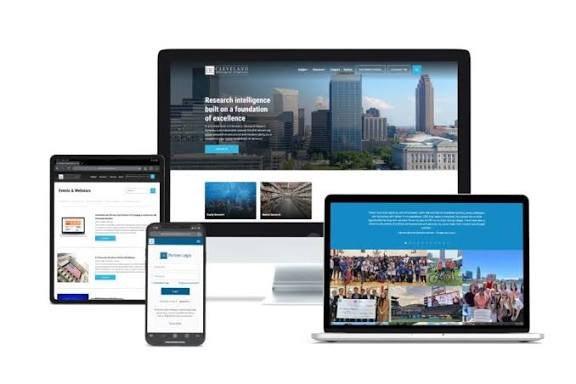
The United Arab Emirates boasts one of the highest smartphone penetration rates in the world. For the vast majority of consumers in Dubai, the primary gateway to the internet is a mobile device, not a desktop computer. Recognizing this reality, a Dubai Website Designer adopts a mobile-first approach. This means the design process starts with the smallest screen and scales up, rather than designing a desktop site and trying to shrink it down later.
This philosophy influences every aspect of the visual layout. Designers focus on the “thumb zone,” ensuring that interactive elements like call-to-action buttons and navigation menus are placed within easy reach of a user’s thumb when holding a phone. Buttons must be large enough to be tapped without error, and text must be legible without the need for zooming or horizontal scrolling.
Moreover, the mobile context changes how content is presented. On a desktop, a user can absorb a lot of information at once. On a mobile device, content must be bite-sized and digestible. The designer plans for collapsible menus, concise headlines, and prioritized content that gives mobile users the information they need immediately. By optimizing for mobile first, the designer ensures that the business captures the attention of the on-the-go Dubai consumer who demands instant access and flawless functionality.
Aligning with Local UX and UI Trends
Dubai is a city synonymous with luxury, innovation, and modernity. Naturally, businesses want their digital presence to reflect these qualities. A Dubai Website Designer closely monitors and incorporates local User Experience (UX) and User Interface (UI) trends to ensure the website feels current and premium.
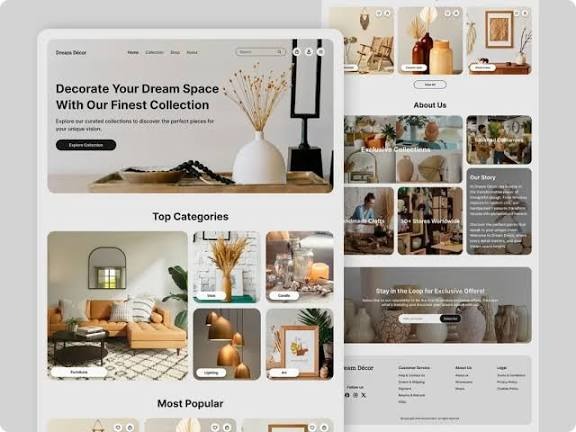
One dominant trend in the region is the preference for clean, minimalist layouts that exude sophistication. Cluttered websites with flashing banners and dense blocks of text are generally perceived as outdated or low-quality. Instead, designers utilize “white space” (or negative space) effectively. By leaving breathing room around images and text, the designer draws the user’s eye to the most important elements, such as products or contact forms.
Visual hierarchy is another critical component. The designer structures the page so that the user is guided logically through the content. This might involve using bold typography for headlines, high-quality professional photography, and subtle animations that provide feedback when a user interacts with an element. The goal is to reduce “cognitive load,” making it as easy as possible for the user to understand what the business offers and how to take the next step. In a market where users are accustomed to high-end service, a smooth, polished digital experience is a baseline expectation.
Ensuring Compliance and Building Trust
In the digital age, trust is the currency of business. Users are increasingly wary of sharing personal information online, and specific regulations govern data privacy. Before designing the interface, a Dubai Website Designer considers how to incorporate trust signals and compliance elements into the layout without ruining the aesthetic appeal.
This involves planning for clear and accessible placement of legal pages, such as Privacy Policies and Terms and Conditions, which are required for compliance with local and international data laws. The designer also ensures that contact information is prominent. In the Dubai market, transparency is key; users want to know that there is a real physical office and a local phone number behind the website. Hiding this information in a footer can lead to a loss of credibility.
Accessibility is another facet of compliance and trust. A modern website should be usable by everyone, including people with disabilities. The designer considers color contrast ratios to help users with visual impairments and ensures that the site structure allows for screen readers to navigate effectively. By designing a site that is ethical, transparent, and inclusive, the designer helps the business build a reputation of reliability and professionalism.
Maintaining Branding Consistency
A website is often the first interaction a potential client has with a business, but it is rarely the only one. They might see a social media post, receive a business card, or visit a physical store. A Dubai Website Designer ensures that the website is a seamless extension of the brand’s existing identity.
Before sketching a layout, the designer analyzes the brand’s guidelines. This includes the specific color codes, font families, logo usage, and the overall “tone of voice” of the brand. If a luxury real estate firm uses gold and black in their physical marketing, a website designed in bright neon green would create a jarring disconnect. This inconsistency can confuse customers and dilute brand recognition.
The designer’s role is to translate these physical brand assets into a digital format. This might involve adapting a print logo so it remains sharp on a high-definition screen or adjusting brand colors so they display correctly across different monitors. By maintaining strict consistency, the designer reinforces the brand identity, making the business appear established, organized, and professional.
Conclusion
In summary, the creation of a successful website in the UAE is a multifaceted process that goes far beyond aesthetics. A Dubai Website Designer acts as a strategic planner, weighing various critical factors before the actual design work begins. They must navigate the complexities of a multicultural audience, engineer a layout that functions flawlessly in both English and Arabic, and prioritize the habits of a mobile-dominant population.
Furthermore, by adhering to modern UX/UI trends, ensuring local compliance, and maintaining strict branding consistency, the designer creates a platform that does more than just look good—it performs. This thoughtful, comprehensive approach to design is what separates a generic website from a powerful digital business tool. For companies looking to thrive in Dubai’s competitive market, understanding and respecting these design considerations is the first step toward digital success.